
Urinal Drain Cleaner Products: How to Choose Safely
Urinal Drain Cleaner Products: How to Choose Safely
If your home has a urinal that drains slowly or smells unpleasant, the product aisle can be confusing. Some products clean the exposed porcelain; others are intended to treat mineral or uric-salt buildup inside a drain line. The label matters more than the words “urinal cleaner” on a bottle. This guide explains how to sort those products, what safety information to check, and when a chemical treatment is the wrong next step.
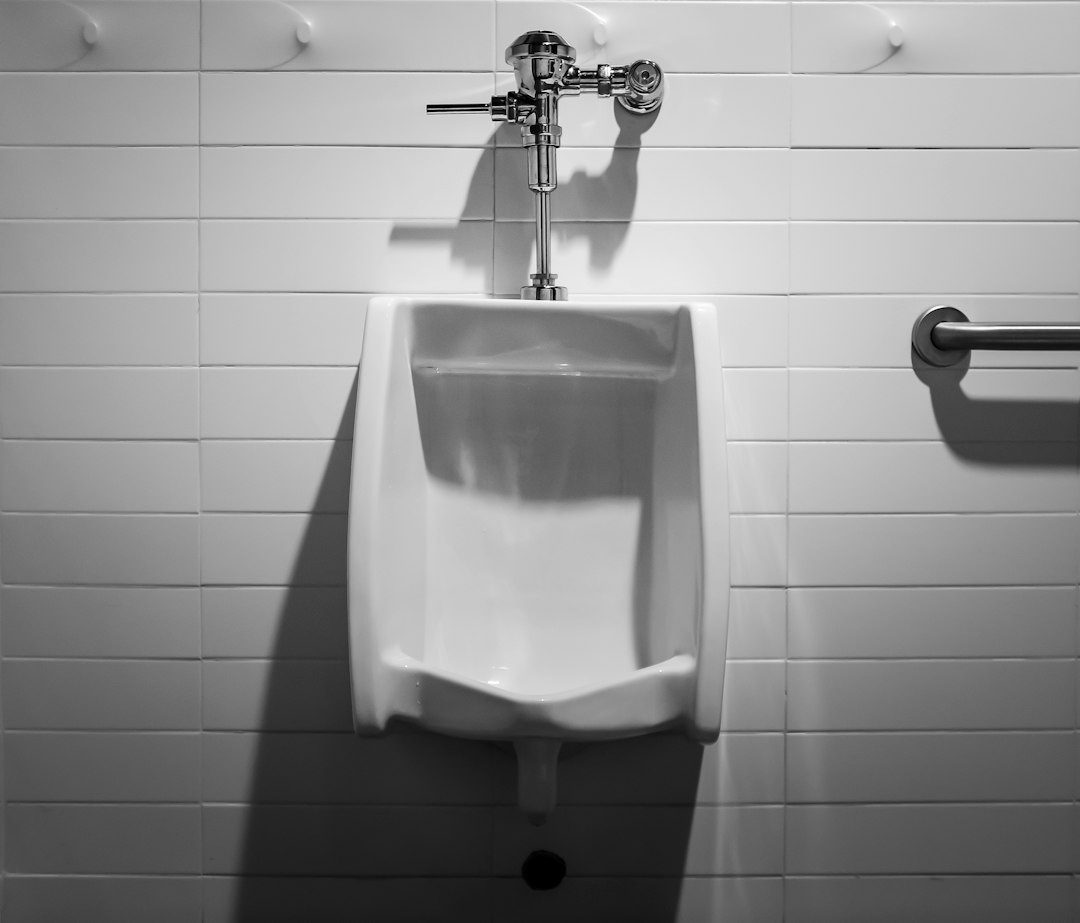
Urinal bowl cleaner and drain cleaner do different jobs
A bowl cleaner is applied to surfaces that you can see and scrub. A drain-line treatment is intended to work below the visible bowl, where deposits may build up in the trap or pipe. A product may be labeled for a urinal without its directions covering every part of the plumbing system, so read the application section carefully.
For example, Nyco’s Porcelain Cleaner is marketed for toilet bowls, urinals, and porcelain. Its directions describe putting the product inside the bowl, brushing the interior, and flushing to rinse; they also say to use it only on acid-safe surfaces, avoid chrome and metal, wear appropriate protection, and not mix it with ammonia or bleach. Those are bowl-cleaning directions, not permission to pour any bowl product into a drain line.
A specialized urinal drain product may instead target mineral deposits or uric-salt buildup. That distinction is why a general sink or shower opener should not be assumed suitable for a urinal. Choose a product only when its current label specifically lists the fixture and application you have.
Check the symptoms before choosing a product
Notice what is happening before you buy anything. Is the urinal slow to drain, completely blocked, or draining normally but leaving an odor? Does the problem occur at one fixture, or are several fixtures backing up? These clues do not diagnose the plumbing, but they help separate a surface-cleaning issue from a possible trap, flush, or drain-line problem.
Check the fixture manual for removable screens, strainers, cartridges, or other service parts. If the manual describes routine cleaning, follow those steps and keep removed parts in their original order. Do not pry at an unfamiliar assembly or pour a chemical into a fixture just because it is labeled “urinal cleaner.” For a broader checklist of warning signs, see our guide to signs a drain may need cleaning.
If water is standing, the bowl is close to overflowing, or multiple fixtures are affected, stop and get the problem assessed instead of repeatedly adding product. A blockage can involve debris, a trap, a downstream line, or a fixture component; a chemical may not reach or remove the cause.
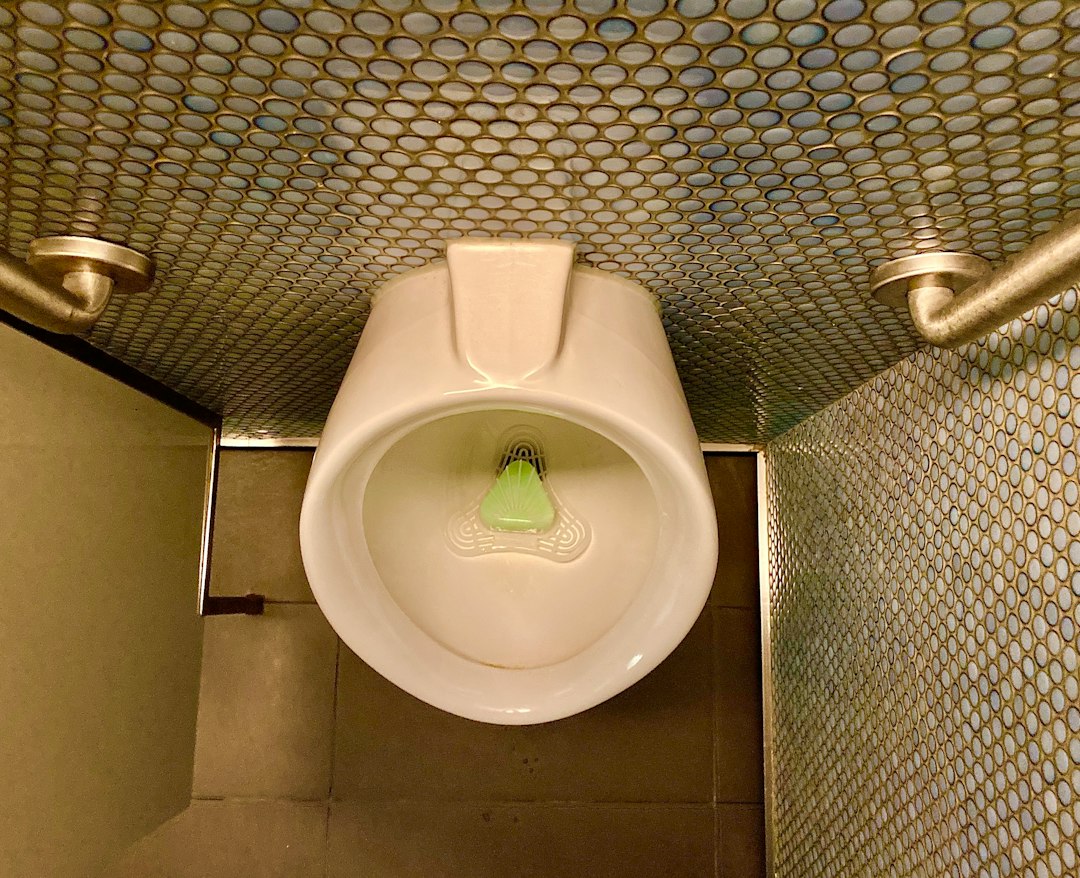
How to evaluate urinal drain cleaner products
1. Confirm that the label covers a drain line
Look for explicit directions for a urinal drain or drain line, not just instructions for cleaning the bowl. Check whether the product is intended for preventive maintenance, a slow drain, or a specific type of buildup. Those uses are not interchangeable. Never increase a dose, extend a treatment time, or repeat it more often than the current label directs.
2. Match the product to the fixture
Confirm that the label covers the urinal’s material, connected pipe, and flushing arrangement. Automatic flush valves can affect treatment directions. Waterless urinals can have cartridges, sealing liquids, balls, or strainers that need a fixture-specific procedure. If you cannot identify the model or the product does not clearly address your setup, do not guess.
As one example, State Industrial describes A-Salt as a urinal drain cleaner and gives an overnight drain-line maintenance direction on its product page. However, the manufacturer-linked A-Salt safety data sheet says the product is intended for industrial and institutional use only and is not for household use or resale. That is a clear reason for a homeowner not to treat a commercial product page as DIY approval.
3. Read the SDS and the label together
The product label tells you the permitted use and application steps; the safety data sheet explains hazards, protective equipment, storage, and first aid. A-Salt’s SDS, prepared in 2019, says the product is harmful if swallowed, causes severe skin burns and eye damage, and may corrode metals. It calls for protective gloves, clothing, and eye protection. The safest practical choice is to avoid products that are marked for industrial or professional use if you are looking for a homeowner DIY product.
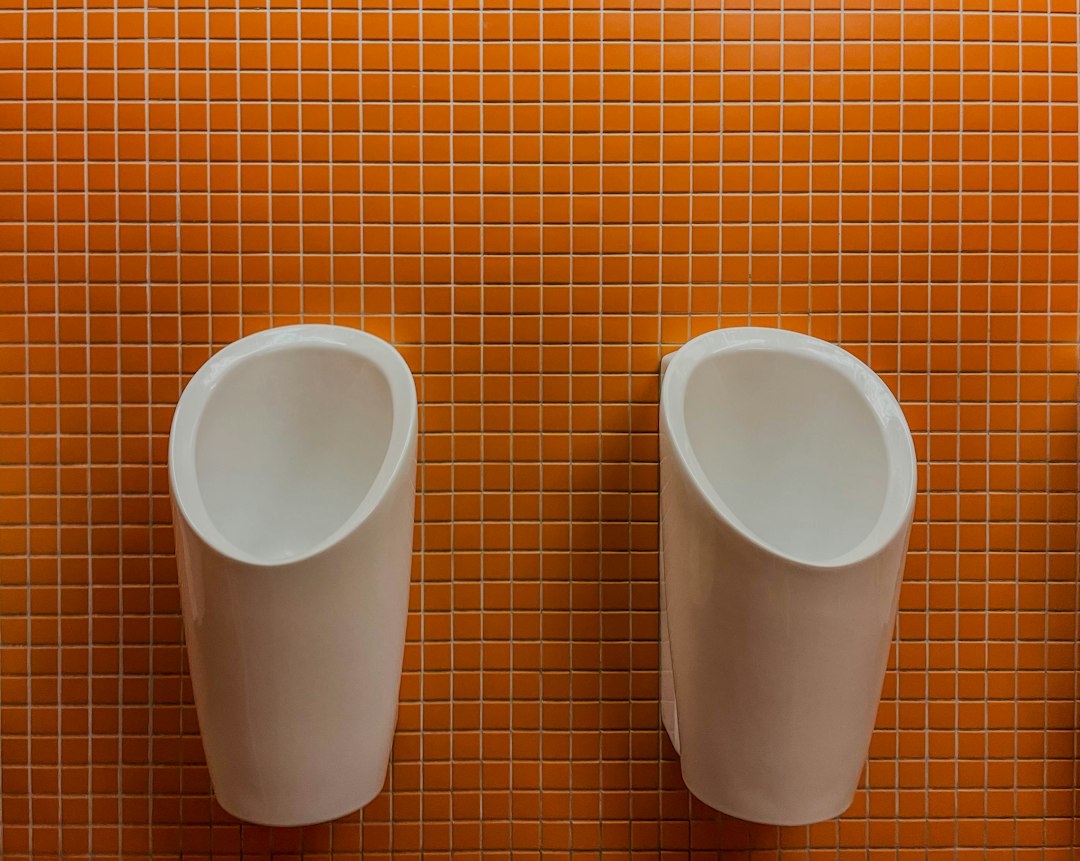
Take extra care with waterless urinals
Waterless fixtures are not simply standard urinals without a flush. Their trap seal or cartridge can be part of how the fixture controls odor and flow, so a cleaner or improvised rinse may interfere with the manufacturer’s maintenance procedure. Identify the model first and consult its care instructions.
For Kohler waterless urinals, the manufacturer says to use an approved cleaner formulated for waterless urinals and specifically advises against mineral acids such as muriatic, sulfuric, or phosphoric acid. That guidance is for Kohler’s system, but it shows why product compatibility must be checked by fixture maker rather than assumed across all waterless designs. If a treatment calls for removing a cartridge or handling a corrosive chemical and you are unsure how, ask a plumbing professional.
Keep chemical use cautious and simple
Use only the product named on its original container, in the fixture and amount listed on that label. Keep the SDS available, ventilate the room as the label directs, and use the specified protective equipment. Store the container closed and away from children. Do not transfer chemicals to an unlabeled bottle.
Never mix household bleach or disinfectants with another cleaner. The CDC warns that mixing can release vapors that are dangerous to breathe. If a product has already been used, do not add another cleaner to “neutralize” or strengthen it; follow the product’s label for flushing, waiting, or spill instructions. If there is an exposure, use the label and SDS first-aid steps and contact poison control or emergency services as appropriate.
Do not assume a bowl cleaner can be used as a line opener. Nyco’s directions, for instance, specify an inside-bowl application and say not to apply that product to chrome or metal fixtures. The manufacturer also says to avoid ammonia and bleach. Read the full instructions before opening the container, and choose another route when the label does not clearly fit your fixture.
When a tool or professional assessment makes more sense
A cleaner cannot identify a damaged pipe, a displaced part, a foreign object, or a restriction farther down the line. If a product does not improve the drain as directed, the problem returns quickly, or the urinal is fully blocked, stop dosing and arrange an assessment. Tell the person inspecting it exactly what product was used and when; that information can affect safe handling.
For a physical obstruction, the right mechanical approach depends on the fixture and trap design. Our overview of drain-cleaning methods explains why different problems call for different tools. You can also review our guide to drain-cleaning tools and the signs that suggest a wider issue. If symptoms keep returning, this article on when drains may need professional cleaning discusses maintenance decisions without promising that one schedule fits every property.
Frequently asked questions
Can I pour a regular drain opener into a urinal?
Only if its current label specifically permits use in that urinal and drain application. A product for a sink, shower, or visible porcelain surface is not automatically appropriate for the urinal trap or line.
Is urinal bowl cleaner the same as urinal drain cleaner?
No. Bowl cleaners are generally directed at visible surfaces, while drain-line products target buildup below the fixture. Check the instructions rather than relying on a product name or front-label claim.
Can I use an acid cleaner in a waterless urinal?
Do not assume that it is compatible. Follow the model-specific fixture instructions; Kohler, for example, advises against mineral acids for its waterless urinals and specifies approved formulations.
What should I do if the urinal is completely blocked?
Do not keep adding chemicals or combine products. Follow the label after any product already used, keep people away from splashes, and have the fixture or line assessed if it remains blocked or is at risk of overflowing.
Primary product and safety references
- State Industrial: A-Salt product directions and its Safety Data Sheet.
- Kohler: Waterless urinal care and troubleshooting.
- Nyco: Porcelain Cleaner product directions.
- CDC: Cleaning and disinfecting safely with bleach.
For a homeowner, the safest rule is simple: use a product only when its label clearly matches the fixture, drain application, and user. If that match is uncertain or the urinal is blocked, identify the cause before adding chemicals.