
Can You Put Drain Cleaner in a Toilet? A Safety Guide
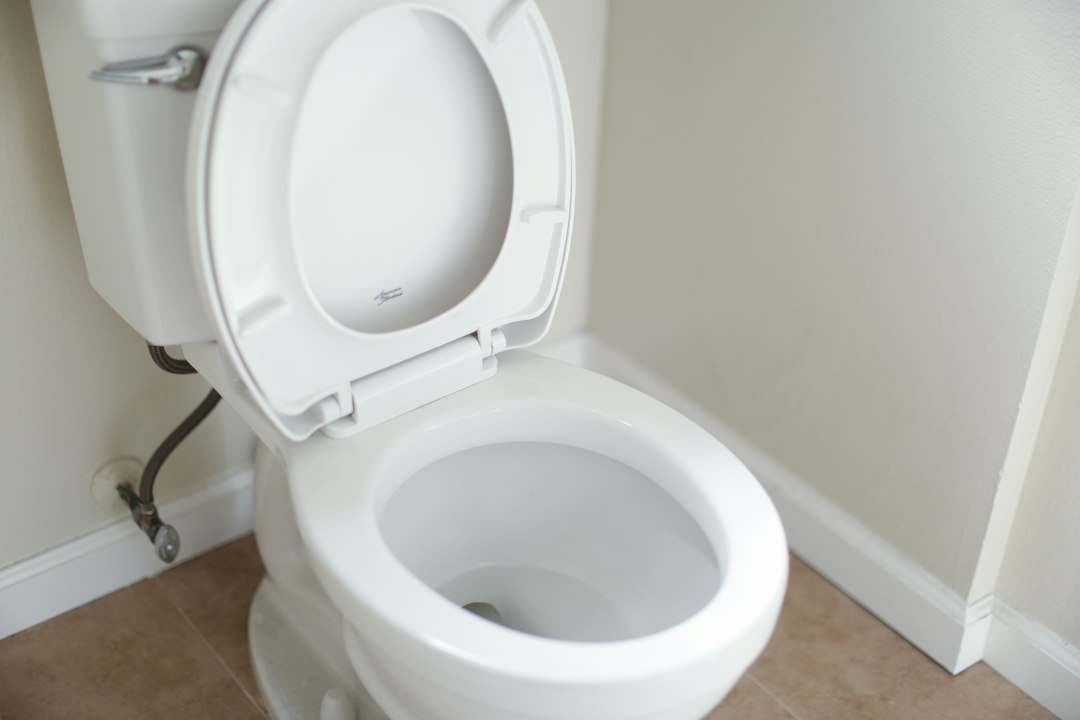
A clogged toilet can make a drain-cleaner bottle look tempting, but a cleaner made for a sink or shower is not automatically suitable for a toilet. The answer depends on the exact product and its current label. Some manufacturers explicitly say not to use their regular drain openers in toilets, while a specific maintenance product may have separate directions for a slow-running toilet.
For a toilet that is fully blocked, start with the toilet manufacturer’s or plumber’s mechanical troubleshooting steps. If a chemical product has already been poured into the bowl, pause before plunging, flushing, or adding anything else; check its label and get product-specific advice.
Can you put drain cleaner in a toilet?
Do not pour a sink or shower drain opener into a toilet unless the exact product label says it is intended for that use. Brand names cover several different formulas, so “I used this brand before” is not enough to confirm that a particular bottle is suitable.
For example, Drano’s official FAQ says its Clog Remover products can be used in sinks, showers, and tubs, but not in toilets. It makes a separate exception for FlowGuard Build-Up Remover: the manufacturer says it can be used in a slow-running toilet according to its label, but it will not open a completely clogged toilet. Liquid-Plumr also says its products are not for toilet clogs. These are product-specific directions, not a universal rule for every item sold under either brand.
Before using any drain product, read the exact container label and confirm that it names toilets or toilet clogs. If the instructions are missing, unclear, or do not mention toilets, do not use that product in the bowl. For a clogged garbage disposal, the instructions can differ; see our separate guide to drain cleaner and garbage disposals.
Read the exact product label
Check the full product name and form—gel, crystals, foamer, or maintenance treatment—not just the brand. The label should identify where the product can be used, the amount, how long to wait, how to flush, and what to do after accidental contact. A direction for a kitchen sink is not a toilet instruction. Manufacturer web pages can help identify a product, but use the directions on the bottle you actually have.
Also distinguish a slow-running toilet from a completely blocked one. Drano describes different guidance for its FlowGuard maintenance product; that exception does not make the brand’s other drain openers suitable for toilets. Keep the product in its original container so you or a plumber can check its exact label.
Why some drain cleaners are not made for toilet clogs
A toilet has a built-in trap, and the shape can prevent some sink and shower drain products from reaching the material causing a toilet clog. Drano explains this limitation in its manufacturer FAQ and says its standard clog removers are ineffective in toilets. A product that is simply slow to drain is also different from a toilet that is fully blocked.
The label matters for safety as well as effectiveness. Drano’s Kitchen Granules label, for example, says not to apply that product in a toilet and not to use a plunger with it. That warning applies to the named product; it should not be expanded into a claim that every label gives identical directions. Check the bottle you have, including its first-aid and accidental-contact instructions.
Safer first steps for a clogged toilet
Stop flushing if the bowl is rising
Repeated flushing can send more water into a bowl that is already close to overflowing. Liquid-Plumr’s toilet-clog guidance recommends stopping the flow and describes locating the toilet’s shutoff valve if needed. The valve is often behind the toilet, but fixtures differ; if you cannot find or operate it, stop and ask for help rather than forcing it.
Use a toilet plunger only when no chemical is present
If no drain cleaner has been used, a toilet plunger with a flange is a common first tool. Liquid-Plumr’s toilet guide describes using a dedicated toilet plunger and starting gently. Keep the plunger centered over the outlet and avoid splashing; stop if the water continues to rise or the clog does not respond.
If a chemical cleaner is in the bowl or drain, do not plunge unless the product’s label explicitly tells you to. Some drain-cleaner labels warn against plunging because the product may splash. A blocked toilet can hold the product in place, so do not test a sink-cleaner label by plunging and seeing what happens.
Stop if the blockage keeps returning
If a plunger does not clear the clog, or the same toilet blocks repeatedly, a toilet auger or professional assessment may be appropriate. A tool must be designed for toilets and used according to its directions. If more than one fixture is backing up or gurgling, the issue may extend beyond the toilet; our guides to signs of a drain problem and sewer-drain warning signs explain when to seek further help.
If drain cleaner is already in the toilet
Do not add another cleaner, bleach, or a homemade mixture. Do not plunge or reach into the bowl while product remains there, and do not flush unless the product’s label says to do so. Follow the directions on that exact container; different formulas can have different waiting, flushing, and first-aid instructions.
If the toilet remains blocked, contact the product manufacturer or a plumbing professional before trying another method. Tell them the product name, approximate amount, and when it was used. That information helps them decide what precautions are needed before they work on the toilet. Keep other people and pets away from the bowl until you know what the label requires.
Poison Control lists drain openers among products that can cause chemical burns. If someone has swallowed a drain product or has a significant eye or skin exposure, follow the label’s first-aid directions and call Poison Control in the United States at 1-800-222-1222. Keep the original container nearby so you can give the product name and ingredients.
How to prevent repeat toilet clogs
Flush only materials the toilet and local wastewater system are designed to handle. If a particular toilet clogs often, note whether it happens after a normal flush, only with certain items, or alongside problems at other fixtures. That pattern can help a plumber distinguish a local obstruction from a larger drain issue.
Avoid repeatedly treating the symptom with a product that is not labeled for toilets. If the bowl is fully blocked, water is rising, or the problem returns after it clears, use a toilet-specific mechanical method or arrange an inspection. The best next step depends on the fixture, the obstruction, and whether other drains are affected.
Frequently asked questions
Can you put drain cleaner in a toilet?
Only use a product if its specific label says it is intended for toilets or toilet clogs. Many ordinary sink and shower drain openers are explicitly excluded from toilet use.
Does Drano work in toilets?
Drano says its standard Clog Remover products should not be used in toilets. Its FAQ identifies FlowGuard Build-Up Remover as a separate option for a slow-running toilet, but says it will not clear a completely clogged toilet; follow that product’s label.
Can I plunge after putting drain cleaner in the toilet?
Do not plunge while a chemical product may remain in the bowl or drain unless the exact label permits it. Some products specifically warn against plunging, so check the directions and contact the manufacturer or a plumber if the toilet remains blocked.
What should I do if drain cleaner has already been poured into the bowl?
Do not add another product or try a tool until you have checked the label. Follow its first-aid directions, keep people and pets away, and tell any plumber exactly what product was used.