
Can You Put Drain Cleaner in a Garbage Disposal? What to Check First
A slow kitchen sink with a garbage disposal can make you wonder whether a bottle of drain opener is safe to use. The answer depends on the exact product and the instructions for your disposer. Some drain-cleaner manufacturers say certain formulas can be used in a disposal; other products expressly warn against it, and some disposer manuals say not to put caustic cleaners in the unit at all. Check both sets of instructions before using anything.
Can you put drain cleaner in a garbage disposal?
There is no one answer for every bottle or every disposal. For example, Drano’s official FAQ says some named products may be used for a kitchen sink with a disposal, while its Kitchen Granules page says not to use that product when the sink has a garbage disposal. The manufacturer also warns that Professional Strength Crystals are not safe for disposals. Liquid-Plumr likewise lists certain products for disposal clogs. Those statements apply to the specific products they identify; they are not a blanket approval for every chemical drain opener.
There can also be a conflict between the chemical product’s directions and the appliance manual. InSinkErator’s disposer instructions, for example, warn against putting caustic drain cleaners or similar products into the disposer. Your model’s care and use manual may set its own restrictions. If the product label and disposer manual do not both allow the intended use, do not pour it into the disposal. When you cannot confirm both sets of directions, choose a mechanical method or get qualified help.
Before deciding, identify the product’s full name and type—not just the brand. A gel, foamer, granule, crystal, enzyme product, or disposal-specific cleaner may have different directions. Read the current label on your container, since formulas and instructions can change.
Why labels matter around a disposal
A garbage disposal is an electric appliance connected to your sink drain. A product that is acceptable for a particular kitchen drain is not automatically acceptable for the disposal itself. A concentrated or caustic formula can also remain in a backed-up sink or disposal chamber, where it may splash if the unit is switched on or someone tries to plunge or reach into the drain. Follow the exact warning and first-aid directions on the product label.
Check these instructions before using a product
1. Read the full product label
Look for wording that names garbage disposals or disposal drains, the amount to use, wait time, flushing directions, and restrictions. A product’s website can help you find its current directions, but the label on the container is the best reference for the bottle you have. Do not assume that “safe for pipes” means safe for a disposal or compatible with every plumbing setup.
2. Check the disposer manual
Find your disposal’s brand and model, then consult its owner’s manual or manufacturer support page. Some manuals advise against household cleaners or caustic drain openers. Follow the stricter instruction if the product label and appliance guidance differ. If you rent, the property manager may have the appliance information.
3. Consider what has already gone down the drain
Do not combine drain products or add a second chemical to a drain that was already treated. EPA household hazardous-waste guidance says not to mix leftover household products. Drain-cleaner labels may give even more specific warnings, including not mixing the product with other cleaners or chemicals. If you do not know what is already in the drain, stop and tell a plumber before they work on it.
Safer first steps for a clogged disposal
If you have not used a chemical, start with the appliance maker’s troubleshooting steps. Turn the disposal off. Do not put your hand into it, even when it is switched off. Use only the tool and procedure approved in your owner’s manual; InSinkErator’s troubleshooting guidance, for instance, describes using its wrench and long-handled tongs or pliers for certain jam checks. Other models may differ.
If the disposal runs but the sink drains slowly, the blockage may be farther along the drain line rather than in the grinding chamber. A sink plunger may be an option only if you have not put a chemical product in the drain and the disposer instructions allow the method. Follow the directions for your sink and disposal. Do not run the disposal while working at the drain.
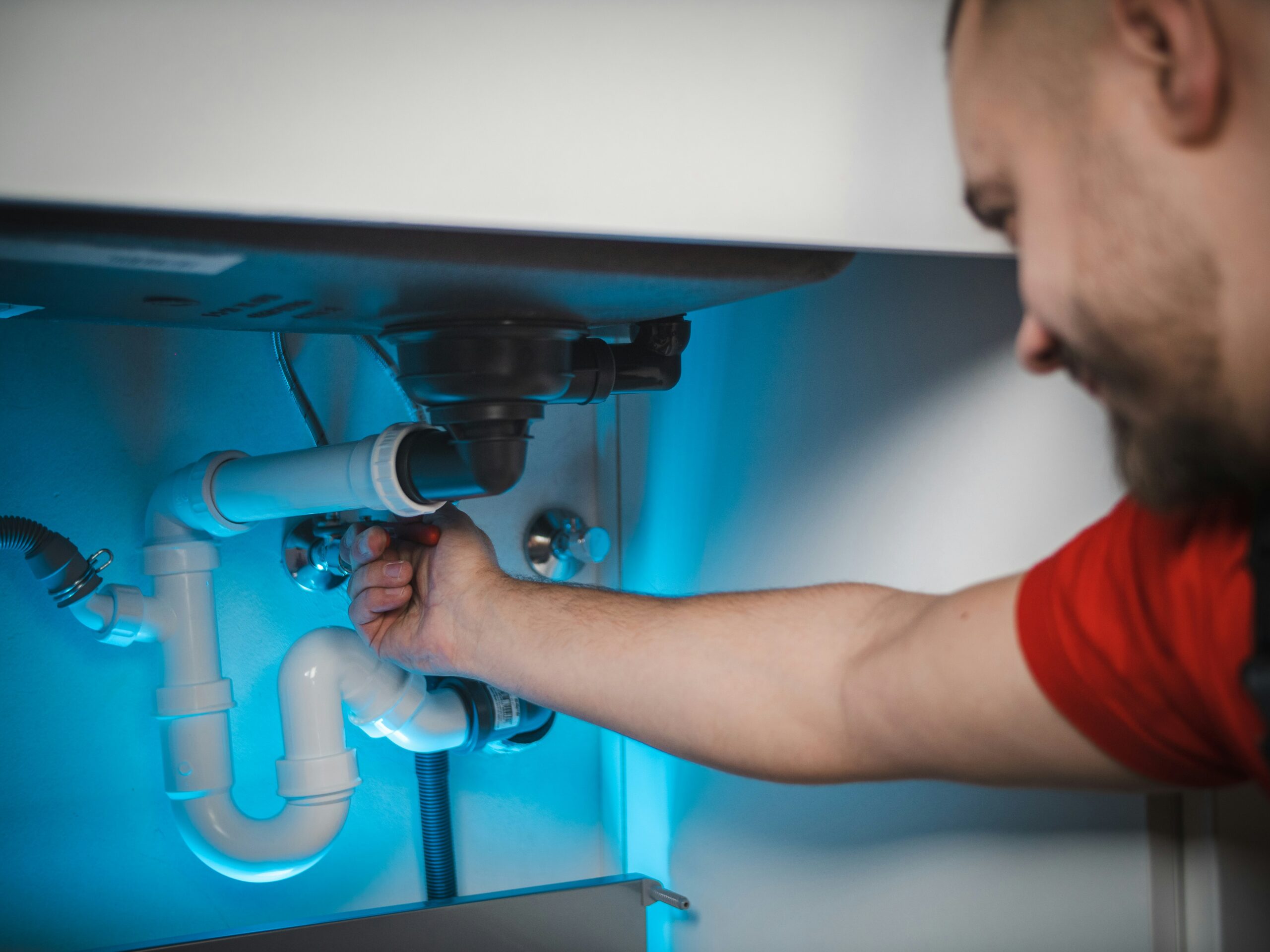
For a jam, a humming motor, a leak, repeated clogs, or a sink that stays full, stop rather than forcing the disposal to run. Avoid reaching into the chamber or taking plumbing apart if you are unsure how to isolate power and handle the appliance. For broader warning signs that a drain needs attention, see our guide to signs you need drain cleaning. If more than one fixture is backing up, our article on sewer drain cleaning signs and next steps explains when the problem may be beyond a single sink.
If you already poured drain cleaner into the disposal
Do not switch on the disposal, plunge, reach into the drain, or add another product until you have checked the product’s label. Some labels specifically warn that an uncleared disposal drain can splash when the unit is switched on, and some prohibit plunging after use. Keep children and pets away from the sink area and follow the container’s instructions for flushing, waiting, ventilation, and accidental contact. If the water has not drained, you are unsure what product was used, or the instructions are unclear, do not improvise: contact a plumbing professional and tell them the product name and approximate amount.
If someone has swallowed product, has trouble breathing, or has a serious eye or skin exposure, follow the label’s emergency directions and contact emergency services or Poison Control in the United States at 1-800-222-1222. Do not induce vomiting unless a medical professional or product label specifically tells you to.
How to reduce repeat clogs
Use the disposal only as its manufacturer directs. Keep hard objects and unsuitable food waste out, and do not pour grease or cooking oil down the sink. Use a sink strainer to catch scraps that should go in the trash or compost. If the unit’s manual recommends running water during and after grinding, follow that model-specific advice. Recurring clogs may point to a drain-line issue that a bottle cannot diagnose; our overview of drain-cleaning methods describes why the right approach depends on the blockage.
Frequently asked questions
Can I use any drain cleaner in a garbage disposal?
No. Products have different instructions. Use a cleaner only if its current label specifically permits the use and your disposal manual does not prohibit it. A product intended for a regular kitchen drain may still exclude a disposal.
Can drain cleaner damage a garbage disposal?
Compatibility depends on the product and appliance. Some disposer manuals caution against caustic cleaners, while some cleaner manufacturers approve only named products for disposal drains. Check both manuals rather than assuming the answer applies to all units.
Can I turn on the disposal after using drain cleaner?
Only if the product label’s directions say it is safe to do so and the drain has cleared as directed. Some labels warn not to switch on a disposal if the drain remains clogged because product could splash. When in doubt, leave it off and call for help.
Can I plunge a disposal drain after adding cleaner?
Do not plunge after using a chemical drain opener unless that exact product’s label expressly allows it. Many labels warn against plunging because cleaner may remain in the drain and splash back.
What should I do if the disposal is humming or leaking?
Switch it off and use the model’s troubleshooting instructions. Never put your hand into the disposal. A persistent hum, leak, repeated backup, or problem affecting other fixtures is a reason to stop DIY attempts and arrange an inspection.
Official references
Check the current directions for the product and model you own: Drano product FAQ, Drano Kitchen Granules label directions, Drano Max Gel directions and precautions, Liquid-Plumr disposal guidance, InSinkErator disposer manual, and the EPA household hazardous-waste guidance.
This guide provides general information, not instructions for a particular disposal model or drain-cleaner formula. Product labels and appliance manuals control.