
Do French Drains Need to Be Cleaned? A Homeowner Guide
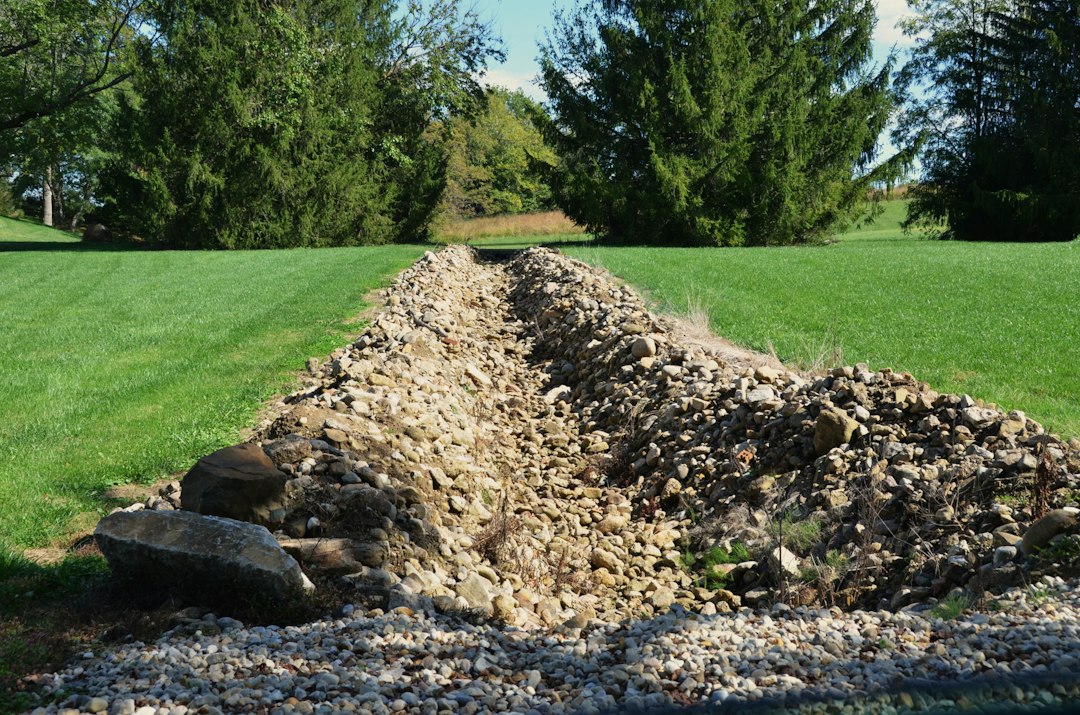
Yes. French drains need periodic inspection and occasional removal of visible debris. That does not mean every system needs excavation or flushing every year. A French drain usually collects groundwater or runoff through a perforated pipe in a gravel-filled trench and carries it to an outlet. Maintenance depends on the design, access points, soil, vegetation, and how much water reaches it.
Start with a visual check of the inlet, cleanout, and outlet. If water still pools or you cannot identify a safe access point, have the system assessed before trying to clear buried pipe.
What a French drain does—and what it does not do
A French drain is an underground system, commonly made from perforated pipe in a gravel-filled trench lined with filter fabric. Water enters through the gravel and pipe perforations, then travels to an outlet. Fairfax County’s drainage guidance describes this arrangement and says runoff should reach a suitable outlet; sending it elsewhere can shift the problem downhill or affect a neighbor.
A French drain is different from a sink, shower, sewer line, or septic drainfield. Household drain cleaning targets plumbing; a French drain manages water in soil. Identify the system before opening a cap or choosing a cleaning method.
If you are dealing with slow sinks, recurring fixture clogs, or gurgling indoors rather than wet ground outdoors, see our guide to signs you may need household drain cleaning.
Do French drains need to be cleaned?
Inspect them periodically, but do not assume every property needs the same schedule. Washington State’s Department of Ecology says to check that subsurface drains remain free-flowing and clear of sediment or roots. A University of California Cooperative Extension guide recommends periodically removing leaves, needles, and sediment from drains and cleanouts and regularly checking sediment traps.
Start with visible parts: keep the inlet open, remove leaves and mulch from its cover, and look for an obstruction at the outlet. Keep a known cleanout accessible, but do not assume every capped yard pipe belongs to the French drain.
Common causes of French-drain trouble
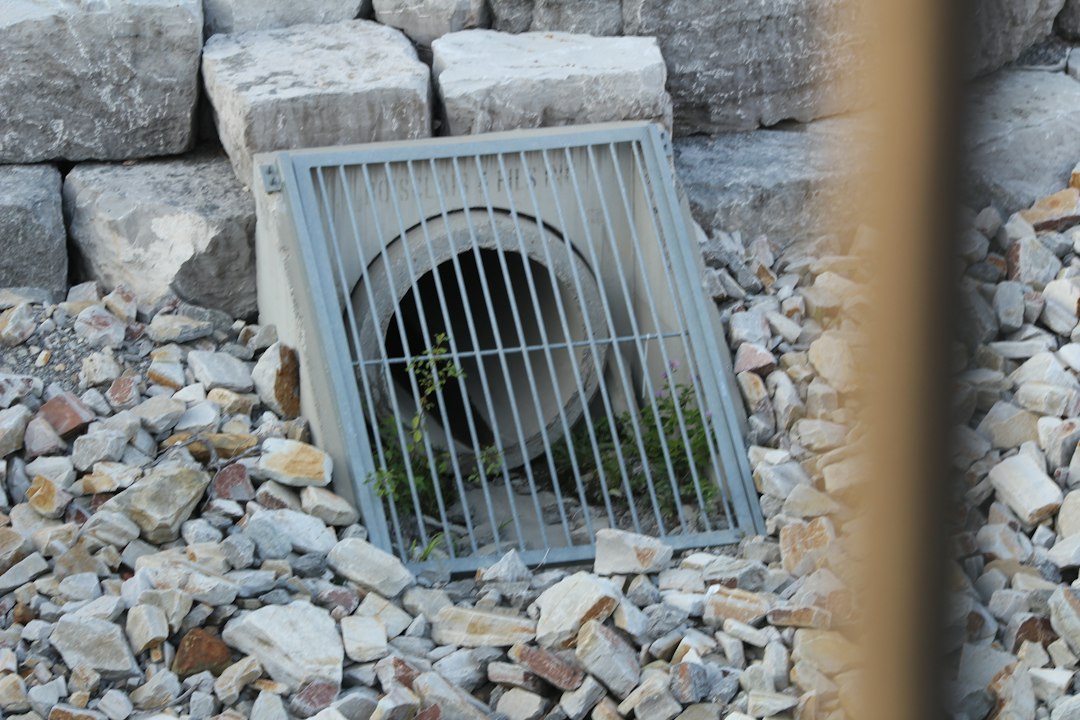
Leaves and grass clippings at an inlet can carry organic debris into the line, while loose soil or sediment may build up inside it. Roots can obstruct a system when trees are too close, and heavy vehicles over a buried section can damage the pipe. Washington State’s drainage guidance flags roots and asks that lines crossed by heavy vehicles be checked; the University of California Cooperative Extension guide warns that heavy surface loads can damage subsurface drains. These are possible causes, not a diagnosis. If clearing the visible parts does not help, the pipe route and outlet may need professional inspection.
Signs a French drain may need attention
- Water remains in the same low area after rain. Compare it with normal conditions; one wet patch does not prove a blockage.
- The outlet is obstructed. Leaves, sediment, vegetation, or a displaced animal guard can restrict flow; keep the outlet clear.
- A surface inlet fills with sediment. Clear visible buildup before it moves farther into the system.
- Drainage changes. New pooling near a foundation, patio, or walkway could reflect a blockage, damaged pipe, changed grading, or another issue; the symptom alone cannot identify the cause.
- Water stands in an accessible drain. San Diego County notes outdoor drains can retain water; check covers and screens for debris.
Note where and when a symptom appears, especially after rain. Photos and the inlet and outlet locations can help a professional understand the layout.
How to inspect and clean accessible parts
1. Locate the visible components
Look for a grate, catch basin, cleanout cap, or outlet. Check installation records if available. If you cannot identify a cap, leave it closed and ask the installer or a drainage professional.
2. Clear loose debris at the surface
Remove leaves, grass clippings, and loose sediment from an accessible grate or outlet. Clear only what you can reach without pushing tools into the pipe or damaging a screen, guard, or fitting. Keep the discharge path clear and away from buildings and neighboring property.
3. Check the cleanout without forcing it
Open a clearly identified cleanout only if it is designed to open and the cap comes free easily. Stop if it is stuck, cracked, buried, or unfamiliar; forcing it can damage the access point.
4. Observe the system after rainfall
After rain, check whether the inlet is open, water reaches the outlet, or new ponding appears. Some systems discharge only when the soil is wet, so a dry outlet in dry weather does not prove failure. Look for a change from the usual pattern.
5. Keep notes and recheck recurring trouble
Record where water stands and whether the problem follows ordinary rain or only a major storm. Repeated trouble in the same spot helps a professional more than guessing at the blockage. For an indoor drain or sewer line, see our overview of common drain-cleaning methods; those methods do not automatically apply to a buried yard system.
What homeowners should avoid
Do not dig along the drain route to look for a blockage. Before excavation, PHMSA advises calling 811 so affected facility operators can locate and mark underground facilities. State laws determine how far in advance to call; wait for the marks and follow local instructions.
Do not force a hose, cable, or tool into an unknown pipe. French drain designs vary, and a method made for an indoor drain may not suit a buried yard system. If accessible parts are clear but pooling continues, get an assessment rather than trying an unverified clearing method.
Do not redirect the outlet without checking local rules and the system design; runoff can erode soil or move toward a building or neighboring lot. Keep screens and guards in place and free of leaves.
When to call a drainage professional
Arrange an assessment if ponding continues after visible debris is cleared, the outlet is inaccessible, a cleanout is damaged, or performance keeps changing. A professional can trace the route and decide whether inspection equipment or repair is needed. Ask what method is proposed and whether excavation is required.
Get help if water is entering a basement or affecting the foundation. The cause may involve grading, roof runoff, a sump system, or a catch basin rather than the buried pipe alone.
How often should you inspect a French drain?
Use periodic visual checks rather than assuming a universal annual cleaning interval. The cited extension and state guidance call for checks and debris removal but set no single calendar schedule for all homes. Ask the installer for a cadence based on the design, and recheck after seasonal leaf buildup or a change in drainage.
Frequently asked questions
Do French drains need annual cleaning?
No universal annual schedule applies to every French drain. Inspect accessible parts periodically, clear debris when you find it, and follow the installer’s maintenance instructions.
Can I clean a French drain without digging?
You can clear loose debris from an accessible inlet, grate, cleanout, or outlet. If the buried section appears blocked or the outlet cannot be reached, a professional can determine whether the problem is inside the pipe or elsewhere in the drainage system.
Should I flush a French drain with a garden hose?
Only do so if the installer’s instructions or the system design confirms that the access point can be flushed safely and the water has a suitable outlet. If you are unsure, do not force water into the line; ask the installer or a drainage professional first.
Does a French drain always discharge water?
No. A French drain may discharge only when enough groundwater or runoff reaches it. A dry outlet during dry weather is not enough to diagnose a clog; check for persistent ponding or a change from the system’s normal behavior.
Sources and further reading
- Washington State Department of Ecology: Subsurface drain maintenance standards
- University of California Cooperative Extension: Residential drainage systems, cleanouts, and sediment traps
- Northern Virginia Soil and Water Conservation District: French drain construction and suitable outlets
- San Diego County: Preventing standing water in outdoor drainage systems
- PHMSA: Call 811 before digging