
Drain Cleaner Tool: Easy Steps for Success
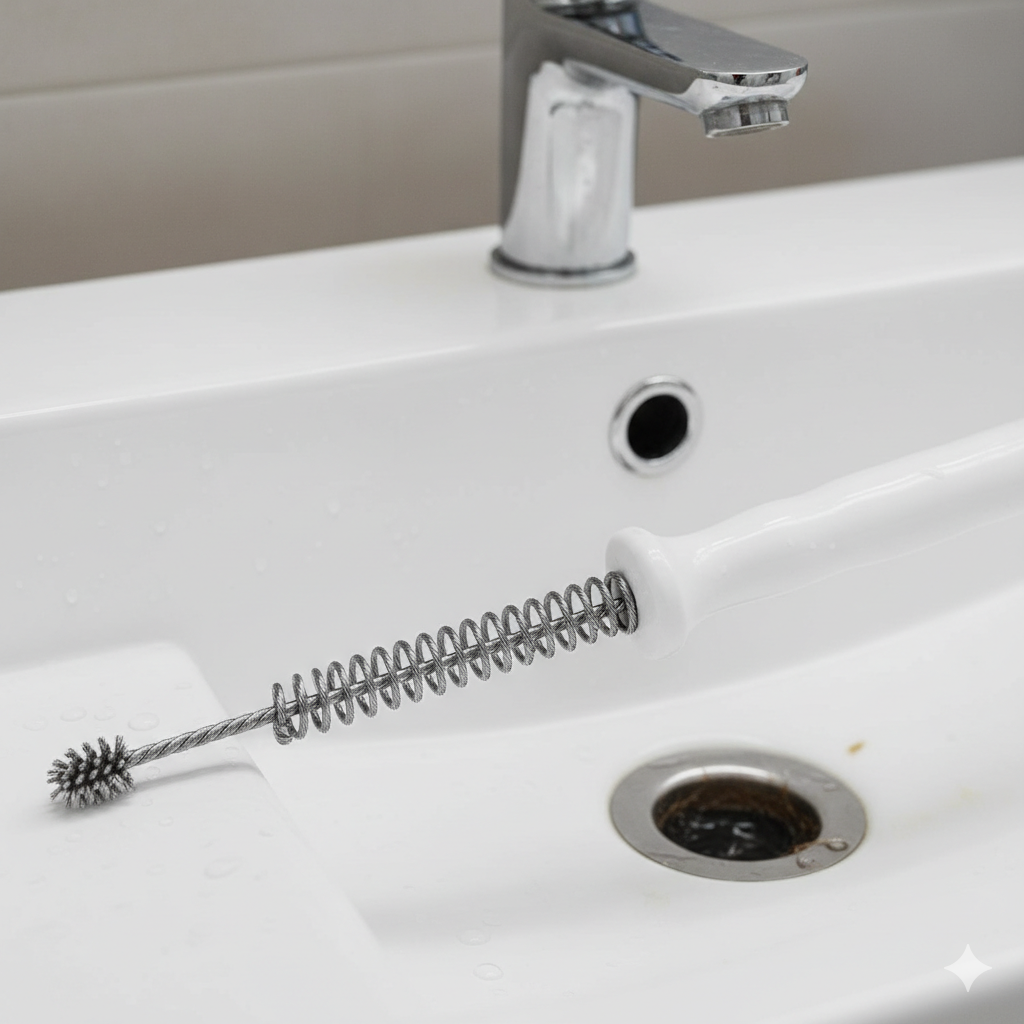
Drain Cleaner Tool: Best Ways to Fix Clogs
A clogged sink or shower is one of the most frustrating annoyances a homeowner faces. Water backs up, unpleasant odors fill the room, and daily routines grind to a halt. While chemical solutions are common, they can damage pipes over time. The superior solution is a mechanical approach. Investing in a high-quality drain cleaner tool is the most effective way to handle blockages physically without introducing harsh toxins into your plumbing system.
Understanding exactly what these tools are and how they function is the first step toward plumbing independence. A drain cleaner tool comes in various shapes and sizes, from simple handheld augers to heavy-duty motorized snakes. Regardless of the type, the goal remains the same: to reach deep into the pipe, hook onto the obstruction, and pull it out or break it apart.
Many people hesitate to buy a drain cleaner tool because they fear the learning curve. However, modern designs prioritize user-friendliness. With a little practice, anyone can master these devices. Using a dedicated drain cleaner tool not only saves you the immediate cost of a plumber but also prevents the long-term corrosion caused by liquid chemical cleaners.
What is a Drain Cleaner Tool?
At its core, a drain cleaner tool is a device designed to physically remove obstructions from plumbing fixtures. Unlike liquid cleaners that attempt to dissolve matter, these tools use mechanical force. They are essential for removing hair, grease, food particles, and even tree roots that have invaded sewer lines.
Most homeowners are familiar with the plunger, which is technically a type of drain cleaner tool, but the category extends much further. The most common variation is the drain snake or plumbing auger. This drain cleaner tool features a long, flexible metal coil that winds down the pipe. At the tip, a corkscrew-shaped hook grabs onto debris.
How to Find the Right Drain Cleaner Tool
Finding the perfect drain cleaner tool requires assessing your specific needs. Start by identifying the location of the problem. A drain cleaner tool designed for a toilet is shaped differently than one meant for a kitchen sink. Toilet augers have protective sleeves to prevent scratching the porcelain, whereas sink augers are thinner to navigate tighter traps.
You can find a standard drain cleaner tool at almost any local hardware store or home improvement center. However, for specialized equipment, online marketplaces often offer a broader selection. When searching for a drain cleaner tool, look for customer reviews that mention durability and ease of handling. A flimsy cable can kink inside the pipe, rendering the tool useless.
Consider the length of the cable. A 25-foot drain cleaner tool is sufficient for most household clogs, but if you suspect a blockage deep in the main line, you might need a 50-foot or even 100-foot model. Additionally, check the diameter of the cable. A thicker cable provides more torque but is less flexible. Finding the right balance is key to using a drain cleaner tool effectively.

How to Buy a Quality Drain Cleaner Tool
When you are ready to buy a drain cleaner tool, prioritize quality materials over the lowest price. A cheap tool often features a weak plastic casing or a cable that rusts quickly. Look for a drain cleaner tool with a carbon steel cable and a high-impact polymer or metal drum.
1. Check the handle grip. You will be cranking this manual drain cleaner tool** for several minutes, so ergonomic comfort is vital.
2. Verify the locking mechanism. A good drain cleaner tool allows you to lock the cable in place once you hit the clog, giving you the leverage needed to break it up.
3. Look for interchangeable tips. Some professional-grade models allow you to switch the head of the drain cleaner tool to cut through grease or hook onto hair specifically.
Buying a drill-attachment drain cleaner tool is also a smart option for those who own a power drill. These attach to your drill chuck, allowing the motor to spin the cable. This reduces physical fatigue and increases the rotational force applied to the blockage.
What is the Cost?
The price of a drain cleaner tool varies significantly based on its power source and capabilities. For a simple, manual hand-cranked auger, you can expect to pay very little. These entry-level tools are affordable and effective for minor sink clogs. A basic manual drain cleaner tool typically costs between $15 and $30.
If you require a heavy-duty drain cleaner tool specifically designed for toilets (closet augers), the price range is slightly higher, usually between $40 and $60. These are robust and built to last for years. For homeowners dealing with frequent or deep clogs, a motorized or battery-operated drain cleaner tool is a worthwhile investment. These units range from $100 to $300.
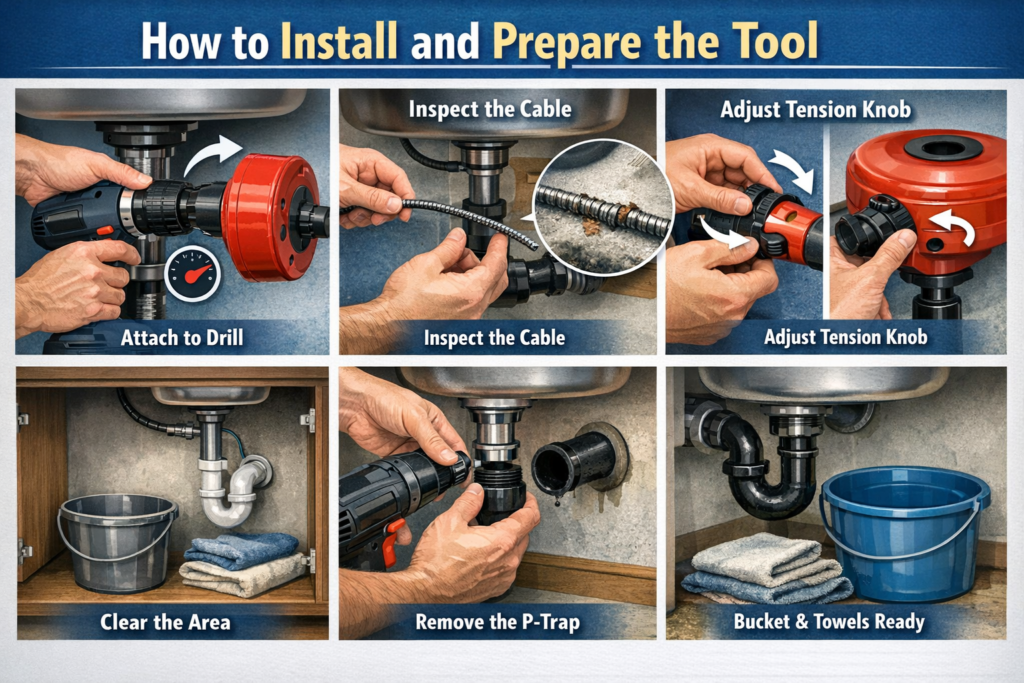
How to Install and Prepare the Tool
While you do not “install” a handheld drain cleaner tool into your home permanently, setting it up for use requires specific steps. If you are using a drill-powered drain cleaner tool, you must securely tighten the drill chuck around the tool’s drive shaft. Ensure the drill is set to a low speed to prevent the cable from whipping dangerously.
For a standalone manual drain cleaner tool, preparation involves inspecting the cable. Pull out a few feet of the snake to check for kinks or rust. If the drain cleaner tool has a tension knob, loosen it so the cable moves freely, then tighten it only when you are ready to rotate the snake.
How to Do: Using the Tool Effectively
The technique for using a drain cleaner tool is consistent across most models. Insert the head of the cable into the drain opening. Push it in by hand until you feel resistance. This initial resistance is likely a bend in the pipe, not the clog. Tighten the lock on your drain cleaner tool and rotate the handle clockwise while applying gentle forward pressure.
Once the cable navigates the bend, loosen the lock and push more cable in. Repeat this process until you hit a firm obstruction that does not feel like a pipe curve. This is the blockage. At this point, lock the drain cleaner tool cable and crank the handle vigorously. The rotation allows the tip to bore into the debris.
Specialized Uses for Drain Tools
There are specific variations of the standard auger that serve unique purposes. For example, a drain cleaner equipment isn’t just for bathroom sinks. Automotive enthusiasts often encounter clogged drainage channels in vehicles, requiring a specialized approach. Similarly, external pipes require different handling than internal plumbing.
Here is a breakdown of four specific applications and tools:
1: How to use a drain cleaning tool
To use a standard manual auger effectively, always wear heavy-duty gloves. Feed the cable of the drain cleaner equipment into the drain until it stops. Lock the thumbscrew. Rotate the drum handle clockwise. This spiral motion helps the tip navigate bends. If it gets stuck, rotate counter-clockwise briefly, then switch back to clockwise. Never force the drain cleaner equipment; let the rotating tip do the work.
2: Sunroof drain cleaning tool
Cars with sunroofs have small drainage tubes that route water away. If these clog, water leaks into the cabin. A sunroof drain cleaner equipment is typically a long, very flexible wire brush, often resembling a speedometer cable. Gently insert this thin drain cleaner equipment into the drain holes located in the sunroof corners. Push gently to dislodge dirt and leaves without puncturing the rubber tubing.
3: How to use drain cleaner tool
This phrase often refers to the chemical application, but in mechanical terms, it means applying the right torque. When you use a drain cleaner equipment, keep the tool body within a few inches of the drain opening. This minimizes the amount of exposed cable. If too much cable is exposed between the tool and the drain, the drain cleaner equipment cable can twist and kink, potentially injuring the user.
4: Drain pipe cleaning tool
For larger exterior pipes or main sewer lines, a standard handheld auger is insufficient. A heavy-duty drain pipe cleaning tool, often called a sewer machine, is required. These are large, motorized units with thick cables and cutting heads. Using this type of drain cleaner equipment requires caution, as the high torque can be dangerous. It is used to cut through tree roots and heavy sludge buildup.
How to Clean the Tool After Use
Maintenance of your drain cleaner equipment is critical for its longevity. After retrieving the cable from a drain, it will be covered in bacteria-laden sludge. As you retract the cable into the drum, wipe it down with a rag soaked in disinfectant. Never store a dirty drain cleaner equipment, as the organic matter will cause the metal to corrode and smell.
Advantages of Using a Mechanical Tool
The primary advantage of a drain cleaner tool is the safety of your plumbing infrastructure. Chemical cleaners generate heat and acidic reactions that can eat away at old iron pipes and melt PVC glue. A mechanical drain cleaner equipment avoids this risk entirely. It solves the problem physically rather than chemically.
Another significant benefit is environmental impact. Chemical cleaners eventually end up in the water supply or septic systems, where they can harm beneficial bacteria. A drain cleaner equipment is an eco-friendly solution. It removes the blockage without adding pollutants to the water system.
Challenges Connected to Drain Cleaner Tool
Despite their benefits, using a drain cleaner tool comes with challenges. The most common issue is scratching visible fixtures. If you are not careful, the metal coil of the drain cleaner equipment can mar the finish of your toilet bowl or chrome sink drain. Using a toilet auger with a plastic guard helps mitigate this risk.

FAQ : Drain cleaner tool
What is the best drain cleaner tool for toilets?
The best tool for a toilet is a closet auger. This specific drain cleaner equipment features a protective rubber or plastic sleeve to prevent the metal cable from scratching the porcelain bowl.
Can a drain cleaner tool damage my pipes?
Yes, if used incorrectly. If you force the drain cleaner tool too aggressively, it can crack old pipes or damage trap connections. Always use gentle, steady pressure.
How often should I use a drain cleaner tool?
You should only use a drain cleaner tool when you notice a slow drain or a complete clog. Using it preventatively is generally unnecessary unless you have older pipes prone to root intrusion.
Is a motorized drain cleaner tool better than a manual one?
A motorized drain cleaner equipment is better for long reaches and tough clogs, but a manual tool is safer for beginners and sufficient for most standard sink blockages.
Can I use a drain cleaner tool on plastic pipes?
Yes, manual augers are safe for PVC pipes. However, be cautious with high-powered motorized versions of the drain cleaner equipment, as the friction can damage plastic if the cable spins in one spot too long.
Conclusion
Owning a drain cleaner tool is a hallmark of a prepared and capable homeowner. These devices offer a safe, effective, and environmentally friendly alternative to harsh chemicals. Whether you are dealing with a simple hair clog in the shower or a more complex blockage in the kitchen sink, the right drain clearing equipment empowers you to handle the issue immediately.
By understanding how to buy, use, and maintain your drain cleaner equipment, you save significant money on professional plumbing services. The initial investment is minimal compared to the long-term savings. While there is a slight learning curve involved in manipulating the cable and avoiding kinks, the technique is easily mastered with patience.
Remember that plumbing maintenance is an ongoing responsibility. Having a high-quality drain clearing equipment in your garage or under the sink ensures that when disaster strikes, you are not left waiting for a plumber. From the simple manual auger to the specialized sunroof cleaning wire, every variation of the drain cleaner equipment serves a vital purpose in keeping your property dry and functional. Embrace the mechanical solution and keep your pipes flowing freely.