
Signs You Need Drain Cleaning: 7 Warning Signs to Watch For
A drain that takes longer to empty, a toilet that gurgles, or water rising in a floor drain can be more than a small inconvenience. These symptoms do not all mean the same thing: one slow sink may have a local obstruction, while several fixtures acting up together can point to a problem farther down the sewer line. Look at the pattern, how often it returns, and whether water or sewage is backing up.
This guide explains seven signs that may mean it is time to have a drain inspected or cleaned. They are clues, not a remote diagnosis. If wastewater is entering the home, stop using plumbing fixtures and contact your local sewer utility or a qualified plumbing professional.
1. One sink, tub, or shower drains slowly again and again
A single slow fixture often has a localized cause near the drain opening or trap, such as hair, soap residue, or food debris. If a simple, safe cleaning of the strainer does not restore normal flow—or the problem keeps returning—there may be buildup farther inside the branch drain. Repeatedly treating the same drain without finding the cause can delay the right repair.
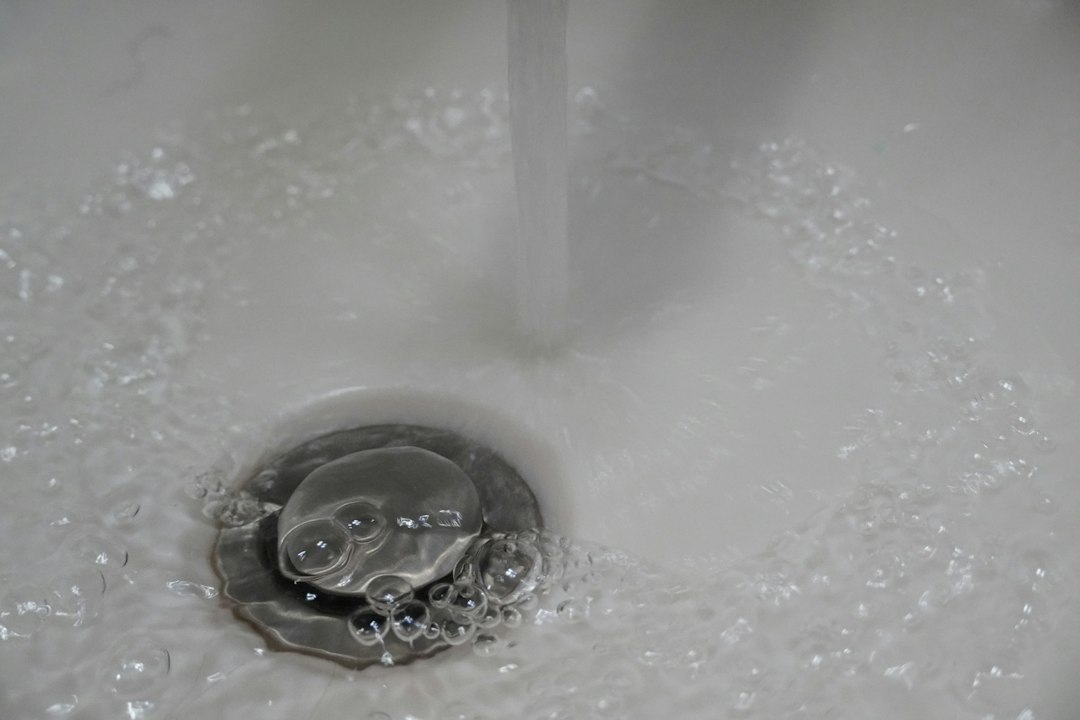
For one fixture, first remove visible debris from the strainer and follow the fixture or product maker’s instructions. Avoid mixing drain chemicals or using a chemical cleaner after another product has already been poured into the drain. If the slow flow continues, a plumber can determine whether the trap, branch line, or another component needs attention.
2. Several drains slow down or back up at the same time
When more than one fixture changes at once—such as a toilet bubbling while a nearby tub drains slowly—the issue may be in a shared branch, building drain, or sewer lateral rather than in each fixture separately. The City of Roseville lists multiple drains backing up, gurgling fixtures, water coming through floor drains, and sewage backing up in tubs or showers among signs that should be checked promptly. The exact responsibility for a blockage depends on local utility rules and where the problem is located.
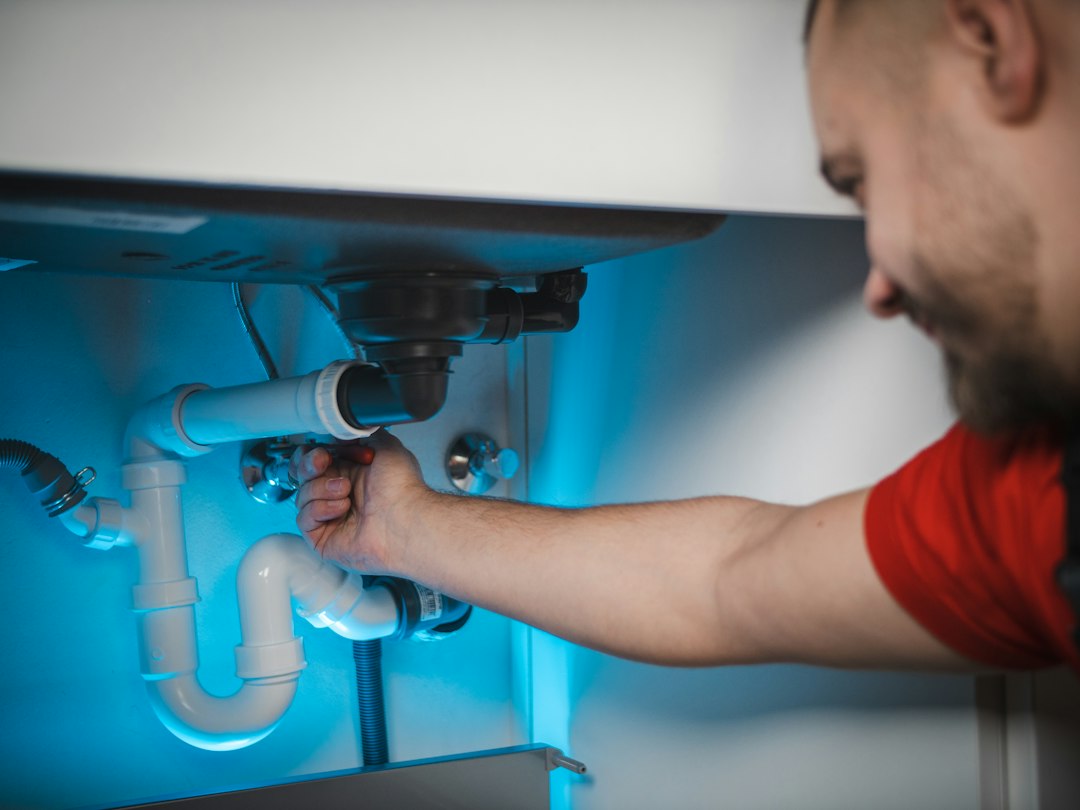
Before paying for private line work, check whether your city or sewer district asks residents to call its wastewater department first. Some utilities can determine whether the obstruction is in a public main or on the property owner’s service line. Do not assume the same rules apply in every city.
3. Drains or toilets gurgle when water is used
Gurgling can happen when air is moving through a partially restricted drain or when a plumbing vent is not working as expected. A single brief sound is not enough to identify the cause. Repeated gurgling across several fixtures, especially alongside slow drainage or a backup, deserves an inspection.
Write down which fixtures make the sound and what was running at the time. That detail can help a professional narrow down whether the issue is local or shared. Do not open a sewer cleanout or remove a plug if wastewater is standing behind it; pressure and contaminated water can create a hazard.
4. Water comes up through a floor drain, tub, or shower
Water rising in a lower-level fixture while another fixture is used can signal that wastewater has nowhere to flow. Treat sewage or dirty backup water as potentially contaminated. Keep children and pets away, avoid direct contact, and do not run more water through sinks, showers, toilets, dishwashers, or washing machines until the blockage is assessed.
If water is near electrical equipment, do not enter the area until it is safe. The City of Wentzville advises residents not to run water down drains until a sewage blockage has been cleared and to contact the city promptly. Follow your own local utility’s instructions and use a qualified cleanup service if sewage has entered the home.
5. The same clog returns soon after it is cleared
A drain that works briefly and then slows again may have a deeper or recurring cause. Grease, scale, hair, wipes, roots entering a damaged line, a sagging pipe, or an undersized or damaged component are possible examples; the symptom alone cannot confirm which one applies. A camera inspection may be appropriate when a professional needs to see the condition and location of a blockage.
Repeatedly clearing the same point without checking the line can mean recurring visits and continued disruption. Ask the plumber what they found, where the blockage was, and whether they recommend a camera inspection or a repair. You can read our related overview of common drain-cleaning methods before comparing options.
6. A persistent sewer-like odor comes from a drain or yard
An odor may come from a dry trap, a venting issue, a leak, a backup, or—on a property with septic—another part of the onsite system. Smell alone does not prove that a drain is clogged. The U.S. Environmental Protection Agency notes that septic odors can have several causes and says an exact cause cannot be diagnosed remotely. If a persistent smell occurs with slow drains, wet ground, or wastewater backup, arrange an inspection rather than masking the odor.
7. Wet or unusually lush ground appears near a septic drainfield
This sign applies to homes with a septic system, not every home. Standing water, damp or spongy soil, sewage odors, or unusually lush grass over a drainfield can indicate a system problem, particularly when there has been no recent heavy rain. Contact a local septic-system professional or health department for guidance. Do not walk over a saturated area or attempt to open or dig into a septic tank or drainfield.
When should you call for professional drain cleaning?
Consider a professional assessment when a clog keeps returning, several fixtures are affected, gurgling happens repeatedly, or a drain cannot be restored with ordinary safe maintenance. Call your sewer utility promptly if sewage backs up or several drains fail together; the utility can explain whether it checks the public line first. For a private line, ask a licensed plumber what inspection or clearing method fits the pipe material and the blockage.
Do not pour a second drain product into a line that already contains a chemical cleaner, and never combine cleaners. Follow the product label and local emergency guidance. If a sewage backup occurs, limit water use and avoid contact with contaminated water. For general prevention and service timing, see our guide to how often drains may need professional cleaning and our overview of hydrojet drain cleaning.
Frequently asked questions
Does one slow drain always need professional cleaning?
No. A single slow fixture can have a simple obstruction near the opening. If safe basic cleaning does not help, or the same clog returns, an inspection can identify whether the blockage is farther along the line.
Why does my toilet gurgle when the tub drains?
Those fixtures may share part of the drainage system, and a restriction or venting issue can affect how air and water move. If the sound is repeated or comes with slow drains or backups, have the system checked.
Is water coming up through a floor drain urgent?
Yes, especially if the water may contain sewage. Stop using water, keep people and pets away, and contact your local sewer utility or a qualified plumbing professional. Avoid contact with contaminated water.
Does a sewer smell mean the drain is clogged?
Not necessarily. Odors have several possible causes, including a dry trap or vent issue. A persistent smell accompanied by slow drainage, wet ground, or a backup should be investigated.